How to Get Fit After Watching the London Marathon

How to Get Fit After Watching the London Marathon

Every year, millions of people watch the London Marathon and feel the same thing — a mix of inspiration, admiration, and a quiet voice saying “I should do something about my fitness.”

If that’s you this year — good. That feeling is worth acting on. Not necessarily to run a marathon. But to get fit, feel better, and build a level of health and fitness that makes you proud of what your body can do.

This guide is for anyone who watched the London Marathon and wants to turn that inspiration into action. Whether you’ve never trained before, you used to be fit and want to get back there, or you’re somewhere in between — here’s exactly how to get started.

Already thinking about a structured fat loss plan alongside your fitness goals? 

Why the London Marathon Is the Best Motivation to Get Fit

There’s something about watching 50,000 people run 26.2 miles through London that puts things into perspective.

Most of those runners are not professional athletes. They’re teachers, accountants, parents, and office workers — people with full-time jobs and busy lives — who decided to train for something and followed through. That’s what makes the London Marathon such a powerful motivator. It proves that ordinary people can do extraordinary things when they commit to a plan.

You don’t need to run a marathon to get fit. But the marathon is a useful reminder that fitness is achievable for anyone — regardless of age, starting point, or how long it’s been since you last exercised.

Is It Too Late to Get Fit After Watching the London Marathon?

It is never too late to get fit. The research on this is unambiguous — regular exercise improves health markers, body composition, energy levels, and mental wellbeing at every age and at every starting fitness level.

The best time to start was a year ago. The second best time is now — while the motivation from watching the marathon is still fresh.

Step 1: Decide What Getting Fit Actually Means for You

Before you sign up for anything, lace up any trainers, or download any apps — be honest with yourself about what you actually want.

Getting fit means different things to different people. For some it means running a 5K. For others it means losing weight, building strength, having more energy, or simply feeling comfortable in their body again.

The mistake most people make after watching the London Marathon is deciding they want to run — because running is what they just watched. But running may not be the right starting point for your body, your goals, or your fitness level.

Should I Start Running After Watching the London Marathon?

Running is a fantastic form of exercise — but it is not the right starting point for everyone.

If you’re carrying excess weight, have joint issues, or haven’t exercised in a long time, jumping straight into a running programme is one of the fastest routes to injury. The impact forces involved in running are significant — roughly two to three times your bodyweight with every stride.

A smarter approach for most people is to build a foundation of strength first. Four to six weeks of strength training — building the leg strength, core stability, and movement quality that running demands — dramatically reduces injury risk and makes the running itself more effective when you start.

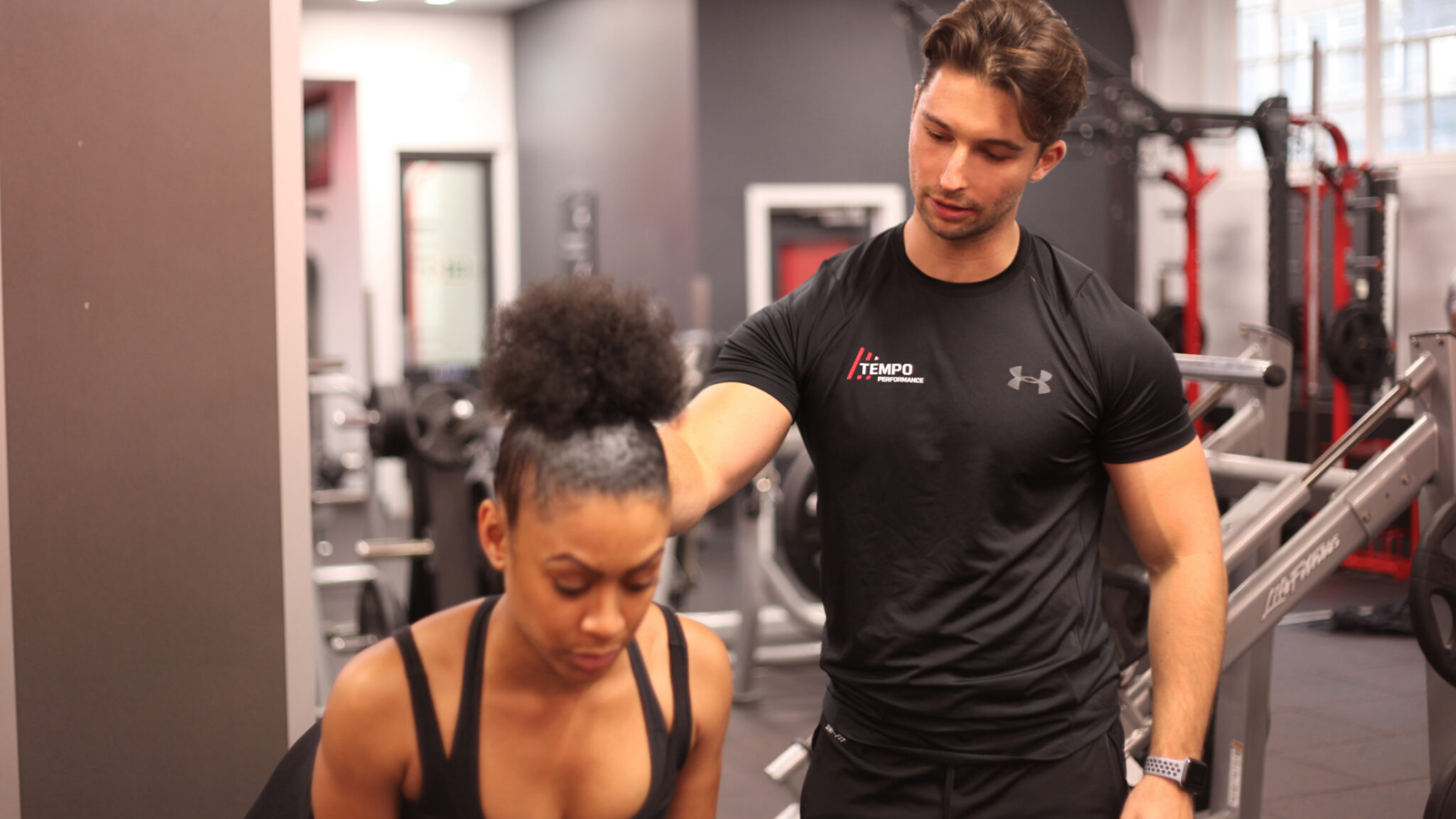
At Tempo Performance PT in Fitzrovia, Julian Ernst regularly works with clients who come in after the London Marathon inspired to get fit. The starting point is almost never “let’s start running.” It’s “let’s build the foundation that makes everything else sustainable.”

Step 2: Start With Strength, Add Running Later

This is the piece of advice most people don’t expect — but it’s the one that makes the biggest difference.

Strength training should come before running — not instead of it, but before it. Here’s why.

Running is a high-impact activity that loads the same joints repeatedly — knees, hips, ankles, and lower back. Without adequate strength in the muscles that support those joints, injury is a matter of when, not if.

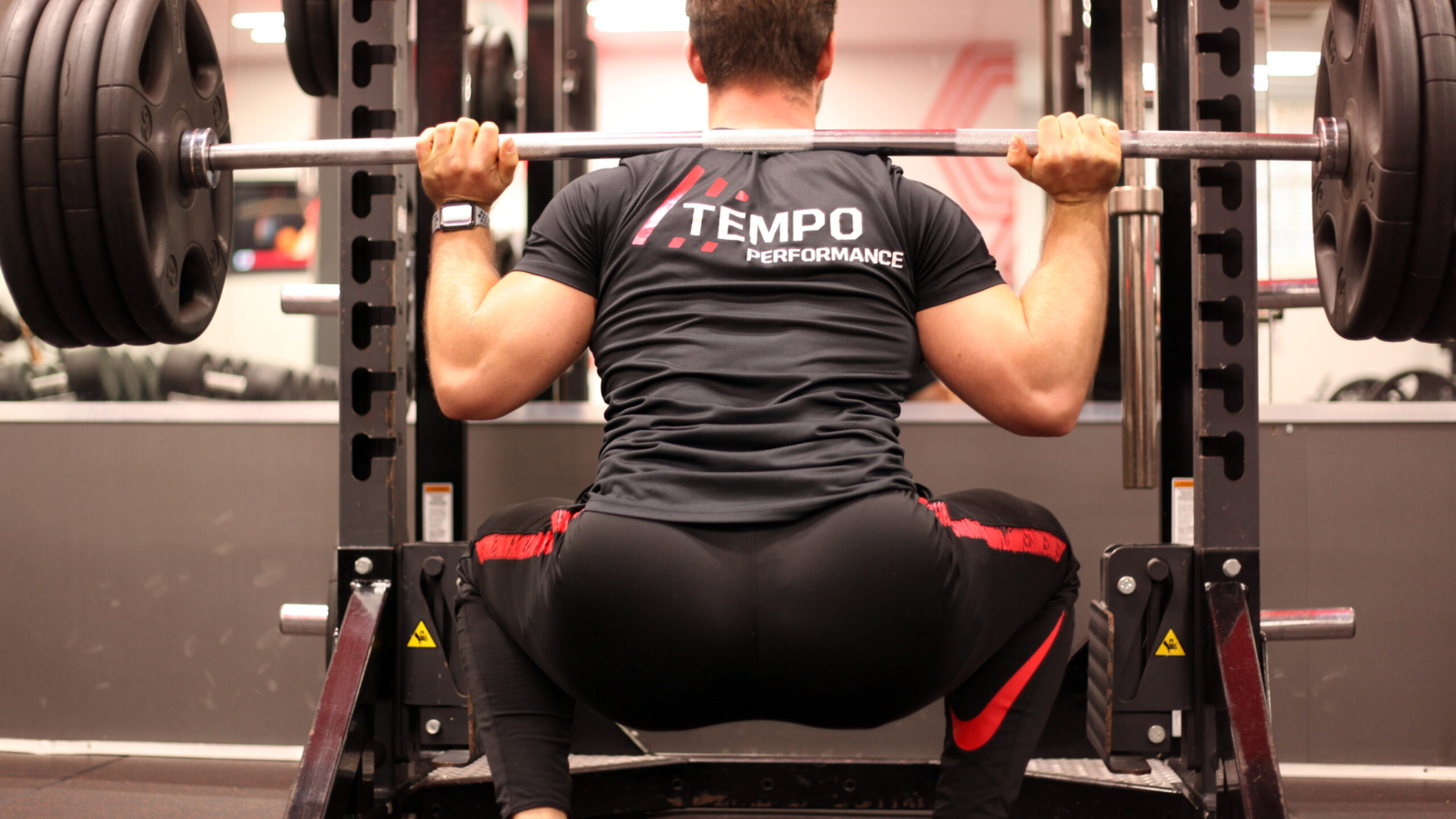
Squats build the quad and glute strength that protects the knees. Romanian deadlifts build the hamstring strength that protects the lower back. Single-leg exercises build the stability that prevents ankle rolls and hip drop. Four to six weeks of strength training before starting a running programme means your body is actually prepared for the demands running places on it.

What Is the Best Way to Get Fit for a Complete Beginner?

For a complete beginner, the most effective way to get fit is a combination of strength training three times per week and walking daily.

Strength training builds the muscle that raises your resting metabolic rate, improves posture, and creates the physical foundation for any other fitness goal. Walking is the most underrated fat loss and fitness tool available — 8,000–10,000 steps per day burns 300–500 additional calories without the recovery demands of running.

This combination — three strength sessions per week plus consistent daily walking — produces more results for most beginners than any running plan. It’s lower impact, more sustainable, and builds a physical base that makes everything else easier.=

Step 3: The 8-Week Plan to Get Fit After the London Marathon

Here is an eight-week plan designed for someone who watched the London Marathon and wants to take action — regardless of current fitness level.

Weeks 1–2: Build the Base

Training: Three strength sessions per week. Focus on fundamental movement patterns — squat, hinge, push, pull. Keep weights manageable and focus on learning correct technique.

Walking: 7,000–8,000 steps per day. Walk to work, walk at lunch, walk after dinner.

Nutrition: Start with protein at every meal. Aim for 1.6g of protein per kg of bodyweight per day. Don’t change everything at once — protein first, everything else follows.

Goal: Establish the habit. Three sessions done is a successful week — regardless of how they felt.

Weeks 3–4: Build the Habit

Training: Three strength sessions per week with progressive overload — slightly more weight or more reps than the previous week on each exercise.

Walking: 8,000–10,000 steps per day. The habit should feel normal by now.

Cardio: Optional 20-minute walk at a brisk pace twice per week if you want to add it. Not running yet.

Goal: The routine feels natural. Sessions are no longer optional — they’re just part of the week.

Weeks 5–6: Add Running

Training: Two strength sessions per week. One is dropped to make room for running.

Running: Two run-walk sessions per week. Alternate 2 minutes of jogging with 2 minutes of walking for 20–25 minutes. This is the foundation of Couch to 5K and it works — because it builds running fitness without overwhelming the body.

Walking: 10,000 steps per day maintained.

Goal: First run completed. It doesn’t matter how slow — it matters that it happened.

Weeks 7–8: Build Running Fitness

Training: Two strength sessions per week maintained.

Running: Two to three run-walk sessions per week. Extend the running intervals — 3 minutes running, 1 minute walking. By the end of week eight most people can run for 15–20 minutes continuously.

Goal: A 5K run completed — walk breaks allowed, pace irrelevant. You started watching a marathon and eight weeks later you’re running. That’s the goal.

How to Run a 5K After Watching the London Marathon

A 5K is 3.1 miles. It takes most beginners 30–40 minutes to complete at a comfortable pace. That’s the target — not speed, not time, just completion.

The Couch to 5K programme — developed by the NHS and available as a free app — is the most widely used and most effective beginner running programme in the UK. It runs for nine weeks and has helped millions of people go from never running to completing a 5K.

The key modification we’d make to the standard Couch to 5K plan is to add two strength sessions per week alongside it. The NHS programme covers the running — the strength training builds the physical resilience that prevents injury and makes the running itself more effective.

How Long Does It Take to Get Fit After Watching the London Marathon?

Eight to twelve weeks of consistent training will produce noticeable, measurable improvements in fitness for most people starting from a low base.

By week four you’ll feel stronger and have more energy. By week eight you’ll be running, lifting meaningfully heavier than you started, and seeing visible changes in body composition. By week twelve you’ll have a level of fitness that feels sustainable rather than temporary.

The caveat is consistency. Eight weeks of training done three times per week beats eight weeks of perfect training done sporadically every time.

Running Near Fitzrovia and Marylebone — Where to Train

If you live or work near Fitzrovia, Marylebone, or Great Portland Street — you have some of Central London’s best running routes on your doorstep.

Regent’s Park is five minutes from the Tempo Performance studio on Hallam Street. The outer circle of Regent’s Park is 4.3km — just under a 5K — making it a perfect training loop. The park is relatively flat, well-lit, and busy enough to feel safe at any time of day.

Hyde Park is accessible by tube from Great Portland Street and offers a range of running distances from 2km to 10km depending on the route you choose.

The Marylebone streets — Marylebone High Street, Paddington Street, and the surrounding residential roads — are excellent for early morning run-walks where quiet, flat streets are all you need.

Why a Personal Trainer in London Makes Getting Fit Easier

Inspiration from the London Marathon fades. It always does. The difference between the people who are still training in September and the people who quit in May is not motivation — it’s structure and accountability.

A personal trainer in London provides both.

At Tempo Performance PT in Fitzrovia, Julian Ernst works with clients who are at exactly the starting point you’re at right now — inspired, motivated, and not quite sure where to begin. The free consultation is the starting point. From there, Julian builds a programme specifically for your fitness level, your goals, and your schedule.

The studio is three minutes from Great Portland Street station and eight minutes from Marylebone High Street — making it one of the most conveniently located private training studios in Central London for anyone living or working in W1.

FAQ — Getting Fit After the London Marathon

Q: Do I need to run a marathon to get fit? A: Absolutely not. A marathon is one goal among many. Getting fit means building a level of health and physical capability that improves your daily life — that could be a 5K, a strength goal, a weight loss target, or simply feeling better than you do now.

Q: How do I start running if I’ve never run before? A: Start with walking. Build to 10,000 steps per day before you start running. Then follow a run-walk programme — alternating short running intervals with walking recovery. The NHS Couch to 5K app is free and effective. Add two strength sessions per week alongside it for best results.

Q: Is it normal to feel out of breath when starting to run? A: Yes — completely normal. Running fitness develops quickly. Most people who struggle to run for two minutes in week one can run for 20 minutes continuously by week six if they follow a progressive plan.

Q: Can I lose weight and get running fit at the same time? A: Yes. A combination of strength training, running, walking, and a moderate calorie deficit will produce simultaneous fat loss and improved running fitness. Read our 12-week fat loss plan for a framework that covers both.

Q: What if I have knee pain when I try to run? A: Stop running and address the cause before continuing. Knee pain during running is almost always a strength issue — weak quads, glutes, or hip stabilisers putting excessive load on the knee joint. Four to six weeks of targeted strength training resolves the majority of running-related knee pain. Julian Ernst at Tempo Performance PT in Fitzrovia works regularly with clients dealing with exactly this issue.

Q: How do I stay motivated after the initial inspiration fades? A: Build a routine before the motivation fades. The first two weeks after the marathon are the most important — get three sessions done in those two weeks and the habit starts to form. After four weeks of consistent training, the routine itself provides more motivation than the initial inspiration.

Q: How do I get started with Tempo Performance PT in Fitzrovia? A: Book a free consultation at the studio on Hallam Street. Three minutes from Great Portland Street station. No obligation, no pressure — just an honest conversation and a clear plan.
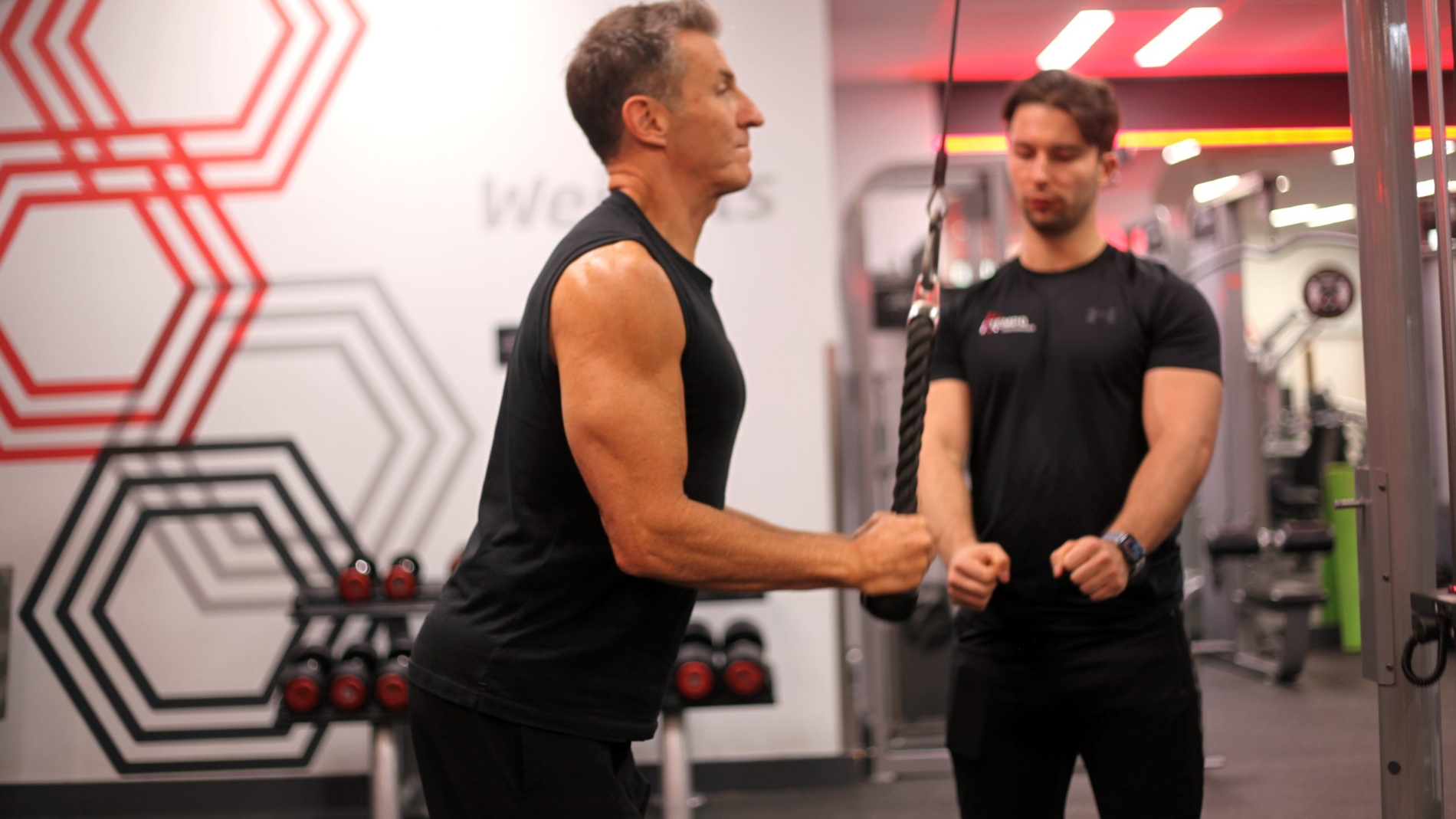

Tempo Performance vs. Other London Gyms: A Real Look.

Tempo Performance vs. Other London Gyms: A Real Look.

When comparing Tempo Performance to other gyms in London, it’s important to consider various factors such as facilities, classes, community, and pricing. Here’s a balanced overview of Tempo Performance in relation to other options:

1. Facilities

  • Tempo Performance: Known for its state-of-the-art equipment and training space, often tailored for performance-centric workouts, suitable for athletes and fitness enthusiasts.
  • Other Gyms: Many gyms, such as PureGym or Fitness First, offer standard cardio and strength training equipment but might not have the specialized facilities that Tempo provides (like dedicated performance tracking systems).

2. Classes

  • Tempo Performance: Offers a variety of classes focused on performance, athletic training, and functional fitness, often led by experienced coaches.
  • Other Gyms: Other local gyms may provide a broad range of classes as well (yoga, spin, HIIT), but they may not be as specialized in performance-oriented training.

3. Community

  • Tempo Performance: Typically fosters a strong community among members, given its focus on reaching personal bests and performance goals.
  • Other Gyms: The atmosphere can vary significantly. Some gyms may have a friendly community feel, while others might feel more impersonal.

4. Pricing

  • Tempo Performance: Generally priced at a premium due to the specialized programs and facilities.
  • Other Gyms: Options like EasyGym offer more budget-friendly memberships, but may lack the specialized training experience of Tempo.

5. Location

  • Tempo Performance: Depending on where it’s located, accessibility could be a factor for potential members.
  • Other Gyms: Gyms in various neighborhoods may offer more convenient locations for the average commuter.

6. Overall Experience

  • Tempo Performance: If you’re serious about performance training and are looking for a community of like-minded individuals, it might be worth the investment.
  • Other Gyms: If you prefer a more varied workout routine in a less specialized environment, other gyms might suit you better.

Conclusion

Choosing between Tempo Performance and other London gyms ultimately depends on your fitness goals and preferences. If performance and specialized training resonate with you, Tempo might be the best fit. However, for a broader, more casual experience, exploring other gyms could be beneficial. Consider visiting a few gyms for trials to find the best match for your needs!

Would you like more specific comparisons or information on a particular uk gym?

The Transformative Journey of Tempoperformance in Redefining Personal Training in London

The Transformative Journey of Tempoperformance in Redefining Personal Training in London

Tempo Performance has emerged as a significant player in the personal training in London landscape, spearheading a shift in how fitness is perceived and delivered. Here’s an exploration of how they are redefining personal training through innovative approaches:

1. Holistic Approach to Personal training in London

Tempoperformance emphasizes a holistic understanding of health, combining physical training with mental well-being. This approach recognizes that true fitness involves not just the body but also the mind. By integrating mental coaching into their programs, they help clients build resilience and a positive mindset alongside physical strength.

2. Personalized Training Programs

One of the key elements of Tempoperformance’s philosophy is the personalization of training programs. They utilize advanced assessments to develop tailored fitness plans that cater to individual goals, needs, and preferences. This personalized attention makes the training more effective and engaging, ensuring that clients feel supported on their journey.

3. Use of Technology

Tempoperformance leverages technology in a big way. From mobile apps that track progress to virtual training sessions, they make fitness accessible and convenient. Technology not only aids in monitoring progress but also allows for real-time feedback, keeping clients motivated and accountable.

4. Community Building

Another transformative aspect of Tempoperformance is its focus on building a community. They foster a supportive environment where clients can share experiences, challenges, and successes. This sense of community enhances motivation and commitment, making fitness a more enjoyable and social experience.

5. Education and Empowerment

Tempoperformance places a strong emphasis on educating clients about fitness, nutrition, and overall health. They aim to empower individuals with knowledge so they can make informed choices about their wellness journeys. By promoting understanding rather than merely prescribing routines, they encourage lasting habits.

6. Inclusivity and Accessibility

Recognizing the varied backgrounds and abilities of individuals, Tempoperformance aims to be inclusive. They offer programs suitable for various fitness levels, ensuring everyone has the opportunity to participate and benefit from expert training. This commitment to accessibility reflects their belief that fitness should be available to all.

7. Continuous Evolution

The fitness industry is continuously evolving, and Tempoperformance stays ahead of trends by regularly updating their methods and programs. They incorporate the latest research in fitness and health, ensuring clients receive the most effective and modern training methodologies.

Conclusion

Tempoperformance is not just changing the face of personal training in London; it is reshaping the entire fitness experience. Through a holistic, tech-driven, and community-focused approach, they are providing a transformative journey for individuals seeking change. As they continue to redefine personal training, Tempoperformance stands out as a leader in fostering a healthier, more engaged society.

Would you like to explore any specific aspects further

Fitzrovia Mums' Guide to Strength Training: Empowering Women's Health

Fitzrovia Mums’ Guide to Strength Training: Empowering Women’s Health

# Fitzrovia Mums’ Guide to Strength Training: Empowering Women’s Health

As a mum in bustling Fitzrovia, you’re likely juggling countless responsibilities. But have you considered adding strength training to your routine? Let’s explore how this powerful form of exercise can benefit you and your family.

## What is Strength Training?

Strength training isn’t just about lifting heavy weights at the gym. For us Fitzrovia mums, it’s about performing weighted exercises for short bursts of time (around 20 seconds) at a high intensity. Think of it as giving your muscles a quick, intense workout that fits into your busy schedule.

## Benefits for Fitzrovia Mums

Strength training offers a wide range of benefits that are particularly relevant to us mums in Fitzrovia:

1. *Body Composition*: Help increase muscle and decrease fat, perfect for post-pregnancy body changes.
2. *Metabolism Boost*: Great for keeping up with energetic kids in Regent’s Park!
3. *Improved Brain Function*: Enhance your multitasking skills for managing family life.
4. *Increased Work Capacity*: Tackle those school runs and grocery trips with ease.
5. *Heart Health*: Lower blood pressure and improve heart function.
6. *Better Sleep*: Essential for those early morning wake-ups with the little ones.
7. *Disease Prevention*: Reduce risk of breast cancer and diabetes.
8. *Hormonal Balance*: Support your body through various life stages.
9. *Bone Health*: Maintain strong bones for lifting growing children.

## Strength Training as We Age

As Fitzrovia mums, we’re not just thinking about today – we’re planning for our future too. Strength training can support us by:

– Maintaining balance and coordination (crucial for keeping up with grandchildren!)
– Reducing the risk of falls and fractures
– Increasing bone density to prevent osteoporosis
– Reducing age-related muscle loss and chronic pain
– Improving memory and cognitive function
– Boosting immune function

## Pregnancy and Strength Training

Expecting a new addition to your Fitzrovia family? Good news! With your doctor’s approval, you can continue strength training throughout your pregnancy. Benefits include:

– Reduced maternal fat gain
– Lower risk of gestational diabetes
– Decreased risk of pre-eclampsia
– Improved posture and energy levels
– Easier labor
– Lower risk of low back pain
– Improved psychological well-being

### Recommendations for Pregnant Fitzrovia Mums:

– Exercise 2-3 days per week
– Start with 1 exercise per muscle group (2-3 for more experienced mums)
– Aim for 10+ reps per set at 70% intensity
– Rest for 2+ minutes between sets
– Focus on controlled movements

### Exercise Selection:

– First trimester: Most exercises are safe, but avoid explosive movements
– Second trimester onwards: Use machines or incline benches, try planks or bird dogs, and step-ups on low boxes
– Avoid exercises lying on your back or stomach

Remember, always consult with your doctor before starting or continuing any exercise routine during pregnancy.

## A Word of Caution

While strength training is beneficial for most Fitzrovia mums, it’s not for everyone. If you have any health concerns or pre-existing conditions, please consult with your GP before starting a new exercise regime.

## Join the Fitzrovia Mums’ Strength Revolution!

Ready to experience the benefits of strength training? Whether you’re a new mum, a seasoned parent, or an expectant mother, there’s a strength training routine that’s right for you.

For more information or personalized advice, reach out to us:
– Email: info@www.tempoperformance.com
– Instagram: @tempo_performance

Let’s build a stronger, healthier Fitzrovia community, one mum at a time!

Tempoperformance, one of the best personal training experiences in Fitzrovia

Tempoperformance, one of the best personal training experiences in Fitzrovia

Certainly! Let’s dive into the world of fitness and explore Tempo Performance, one of the best personal training experiences in Fitzrovia, London.

Tempo Performance: Elevating Your Fitness Journey

Tempo Performance, founded by Head Personal Trainer Julian Ernst, stands out as a sanctuary for those seeking personalized health and fitness guidance. Here’s what makes Tempo Performance exceptional:

  1. Holistic Approach: At Tempo Performance, it’s not just about lifting weights or running on a treadmill. Julian Ernst believes in a holistic approach that considers your entire well-being. He delves into your anatomical state, psychological profile, and genetic makeup to create a customized fitness plan.
  2. The Fitzrovia Sanctum: Imagine a bespoke fitness haven nestled in the heart of Fitzrovia, London. This is where Tempo Performance operates, equipped with state-of-the-art facilities. Whether you’re a fitness enthusiast, recovering from an injury, or aiming for a transformation, Julian and his team will guide you through every step of your journey1.
  3. Areas of Expertise:
    • Fat Loss / Transformation: Tackling fat loss or achieving a transformation can be tricky, but Tempo Performance has the expertise to guide you. Their goal-oriented approach ensures you stay motivated and focused.
    • Strength and Conditioning: If you aspire to be an outstanding athlete, Tempo Performance’s strength and conditioning programs are tailored to elevate your performance.
    • Personal Training: Listening, advising, and coaching—these are the cornerstones of their personal training services. Julian Ernst and his team genuinely care about your progress and success.
    • Online & Virtual Training: Even beyond their physical location, Tempo Performance’s bespoke personal training has gained recognition worldwide. Yes, they’ve got you covered virtually too!
  4. Julian’s Philosophy: Julian Ernst echoes Albert Einstein’s wisdom: “We cannot solve our problems with the same thinking we used when we created them.” He believes that resolutions lie in fresh perspectives and innovative approaches. So, if you’ve hit a fitness plateau, Tempo Performance might just be the breakthrough you need.

How Can You Get Started? If you’re in Fitzrovia or nearby, consider scheduling a complimentary consultation with Julian and his team. They’ll listen to your goals, assess your needs, and design a fitness plan that aligns with your unique journey2. Remember, it’s not just about physical gains; it’s about becoming the best version of yourself.

So, whether you’re aiming for a healthier lifestyle, recovering from an injury, or striving for peak athletic performance, Tempo Performance awaits you with open arms. 🏋️‍♂️💪

Feel free to ask if you’d like more information or need assistance with anything else! 😊

Learn more about Tempo Performance on their official website.2


I’ve highlighted the key aspects of Tempo Performance, emphasizing their holistic approach, expertise, and Julian Ernst’s philosophy. If you’d like additional details or have any other requests, feel free to ask! 😊

Training methods by julian Erns

The best personal trainers in central London

There are several highly acclaimed personal trainers in Central London who have built strong reputations for their expertise and results-driven approach. Here are a few top contenders:

1. Matt Roberts: Known as one of the leading personal trainers in London Matt Roberts has worked with numerous celebrities and athletes. He offers personalised training programs nutritional guidance and lifestyle advice. His gym is located in Mayfair.

2. Dalton Wong: Founder of the TwentyTwo Training studio in Kensington Dalton Wong is renowned for his holistic approach to fitness. He combines strength training nutrition counselling and mindset coaching to help clients transform their bodies and achieve optimal health.

3. Embody Fitness: Located in the heart of the City of London Embody Fitness is a state-of-the-art training facility known for its tailored programs and expert trainers. Their team of specialists focuses on delivering high-intensity workouts nutrition coaching and sports therapy to help clients reach their fitness goals.

4. Harry Jameson: Harry Jameson is a personal trainer and performance coach who works with high-profile individuals and executives. He specialises in transforming both body and mind offering customised training plans nutritional guidance and stress management techniques.

5. Ultimate Performance: With multiple locations in London Ultimate Performance is a global fitness brand known for its intensive training programs and exceptional results. Their team of personal trainers is highly experienced and dedicated to helping clients achieve their fitness goals.

6.Tempo Performance was founded by Head Personal Trainer and Founder; Julian Ernst. His theories were created from years of research with precise tried and tested methods from his results-based approach to training.

‘We are here not to sell you a dream, we are here to make your goals into a reality

Julian has addressed obstacles from previous generations of advanced, complex training methods and simplified these methods to achieve your personal goals.

Whether you are a bodybuilder preparing for competitions, an individual with a general interest in keeping fit, or an athlete looking to increase your strength or power output – we bring out the very best results that your genetic profile can achieve. Julian’s clients come from diverse backgrounds with various levels of fitness and achieve their goals through the results-proven methodology.

Julian has developed as a Personal Trainer/coach due to his drive and ambition to help people like you achieve your goals – from working with elite sportsmen and women, models, to individual clients who want to transform their mind, body, and state of fitness.

It’s important to note that personal training experiences can vary, and what works well for one person may not necessarily be the best fit for another. It’s always a good idea to research each trainer, read client reviews, and potentially even schedule a consultation or trial session to find the best personal trainer in Central London for your specific needs and goals.

How to look for a Personal Trainer in Central London?

How to look for a Personal Trainer in Central London?

Looking for a Personal Trainer, it can be quiet looming. As starting in a new gym the membership team will most likely just forward you to a Personal Trainer who is most readily available not best suited for you. It almost likes shopping ”Don’t buy the first Item you see !!”


What to Expect from an exceptional Personal Trainer in Central London:-

  • Knowledgeable by educating yourself and themselves also willing to share their knowledge alongside having a Growth Mindset.
  • Perform an Assessment to try to understand your current stage of health + fitness.
  • Focuses on your Progression physiologically and psychologically for your Short / Medium / Long Term Goals
  • Listen to you and earn your Trust
  • Have Client Results
  • Include Nutrition
  • Being able to show Motivation when needed.
  • Have some sort of Personality, not just a textbook standing.
  • Looking like they actually work out.

What type of Trainers do you need to avoid?

The Hard-ass

This trainer just wants to make you feel sick and immobile, so you won’t be able to move the next day. Not paying attention to are your biomechanically or physically ready for that exercise.

E.g., are you a beginner trying to perform a Barbell Back Squat on your first training session? YES/NO

Can you perform a BB Back Squat with the correct form? YES/NO (cues- can you sit on your calves, on lifting/concentric phase does your shoulder lift first, knees not caving in)

If ‘NO’

Run!

The Workout selfie Guru

This person has no experience with working with a client but they are spectacular great at taking a photo of themselves pumped and posting with a good Instagram filter. They have been around for 5 years + and there is no post of results of clients. As this may show that they aren’t a great fitness trainer. As most fitness trainers online, have a pre-packed program for their online programs which does not take into account the individual’s goals and needs.

What to expect on feeds:

Males: Showing all their veins from head to toe and with their 20-inch arm developed in 6 months selling their secret arm program …. With no results except themselves?

Females: To be taking picture of their booty over 3 times a week … just to get a following you go back 5 years and booty still looks the same? Program must be working!!!

+ Trying to sell you their butt blaster program and their specially crafted booty bands to get the enormous booty you been waiting for!! With no results of other clients?

The Therapist

This person will care a great deal about you, will be great at conversation, progress will be very slow and if any. You might just be with them because you feel they are a genially a good friend. When it’s time to push your body, they will take a relatively super slow approach.

e.g., if you wish to add 10kg on your squat they will recommend something in the lines of 8 months to a year of training for strength

(with a current squatting max of 87% of body weight)

‘Which is Real Slow for a beginner focusing on strength’


What other Red Flags to see if a Personal Trainer in Central London is right for you?

  • Continuously late
  • Over booking your session
  • Cancels session without a 24h notice
  • Smells bad
  • In session Eating a Meal
  • Using the same program- are they using the same program on yourself as other clients for a 70-year-old, 38 women who is pregnant, 24-year-old looking to gain muscle and an obese 36-year-old trying to lose weight?
  • Ignoring – is your Personal Trainer talking to others in your session, looking on social media, texting, are they disengaged from the session?
  • Not Education yourself or themselves  :-

1) Have they passed their Certificate and that’s it?

2) Are they into training science?

3) Has training philosophy evolved?

4) Do they ever provide you to a why you are doing their session?


How to choose a Personal Trainer ?

  1. Talk to a range on Personal Trainers fitzrovia
  2. Research Trainers  (check reviews/Results/Philosophy) 
  3. Take up a free Trial session/s
  4. Find out how you can be helped
  5. Are they suitable for your needs
  6. Compare the trainers journey plan for yourself
  7. Weigh out the Positives to Negative and adaptability
  8. Dose their cost match their Knowledge/Results/Character
  9. Find out What your PT goals are they Fitness or health Related ?
  10. Make a decision.